

overview
- For homeowners who have already invested in a rooftop solar power system, the journey doesn’t stop after installation.
- Smart upgrades such as smart inverters, battery storage, high-efficiency panels, IoT integration and system optimization can help homeowners improve efficiency, reduce electricity costs, increase property value and support long-term reliability.
You may be ready to upgrade your rooftop solar system if your electricity usage has increased, your current setup is no longer making up enough of your bill, or you want better monitoring, backup power, and efficiency. Upgrades can include adding panels, improving the inverter, integrating battery storage, or optimizing the existing system.
This is important because a Solar power system on the roof is both an energy solution and a long-term asset. The You can get more value with the right upgrades from your roof, your system and your monthly energy savings.
Your energy needs have changed
A clear sign that it may be time to upgrade your rooftop solar system is if your electricity usage has increased, but your current system is no longer effectively offsetting your bill. This often happens after adding appliances, working from home, purchasing an electric vehicle, or increasing living space, all of which increase overall energy needs.
Solar systems are typically designed based on usage at the time of installation. As your energy needs increase, the original system may be too small or less efficient at meeting your current usage. Ideally, your solar system should further reduce your reliance on grid power, especially during peak production of the day.
To assess your situation, review current utility bills and solar production data. If network usage has increased or savings have decreased, it may be time to evaluate your system. Solutions may include adding panels, optimizing performance, or upgrading key components such as the inverter or monitoring system.
You want better system monitoring
Upgrading isn’t always about adding more panels. Sometimes it is wiser to improve the monitoring and management of solar power production.
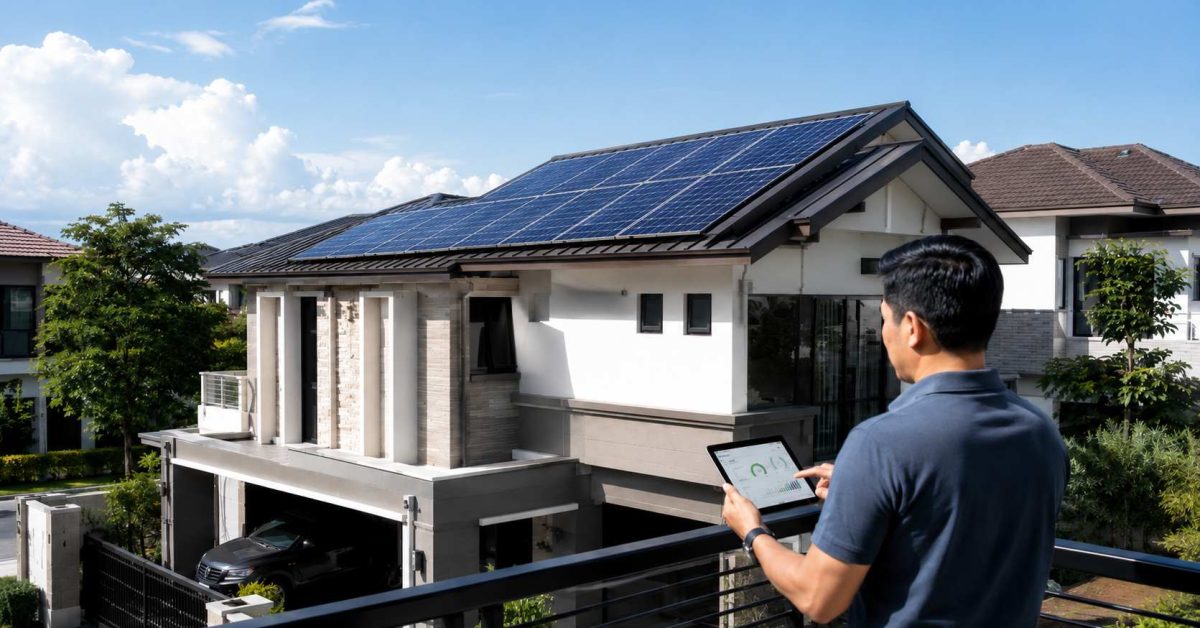
Many smart inverters have mobile apps or dashboards that allow homeowners to monitor power production, consumption, and system health in real time. Smart inverters can monitor voltage, communicate with the grid, transmit data via a website or mobile app, and detect potential system problems.
This is valuable because you can see when your system is performing well, when performance is dropping, and when your household is using the most energy. For an investor-focused homeowner, better monitoring means better decision making.
You’re thinking about battery storage
Battery storage can be a practical upgrade if you want backup power or more control over how you use excess solar energy.
Battery storage allows a solar power system to store excess electricity generated during the day for later use, such as at night or during power outages. This can help reduce grid dependency and improve energy security.
However, batteries are not always necessary for every homeowner. If your main goal is to reduce costs, an on-grid setup with net metering can already come in handy. If your goal is resilience to failures, battery storage may be worth considering.
Key upgrade options to consider
Smart inverters
A intelligent inverter can improve system visibility and performance. It is an improved version of a traditional inverter that monitors and adjusts system performance to improve efficiency.
Highly efficient panels
High-efficiency panels can generate more electricity per square meter, making them useful for homeowners with limited roof space. Suitable for roofs with limited space, these panels can improve performance without increasing facility footprint.
System optimization
System optimization can include checking panel performance, shading, cabling, inverter settings and monitoring tools. The optimization ensures that panels, Inverterand components work at peak performance and can increase the overall energy yield.
Plan the financial side before upgrading
Before leveling up Look at your energy goals and budget. Ask yourself whether you want lower bills, better backup power, higher property value, or greater sustainability impact.
Solar power system is a smart long-term investment that can help reduce utility bills, increase the value of a home and reduce a property’s carbon footprint. As electricity prices continue to rise, upgrading or expanding a solar power system will become even more attractive for homeowners who want better savings, greater energy control and a more sustainable property.
A good solar provider can help compare upgrade options based on payback, available roof space, and long-term household needs.
Key to take away
You may be ready to increase your investment in your solar roof if your energy consumption has increased, your savings are no longer sufficient, or you want better performance, monitoring and resiliency. Smart upgrades like better inverters, high-efficiency panels, battery storage and system optimization can help homeowners maximize long-term value.
Solaric assists homeowners beyond installation by assessing system capacity, compatibility and energy goals before recommending upgrades.
Are you ready to get the most out of your solar investment? Request your free solar quote today and now turn on the sun with Solaric.

Comments are closed.